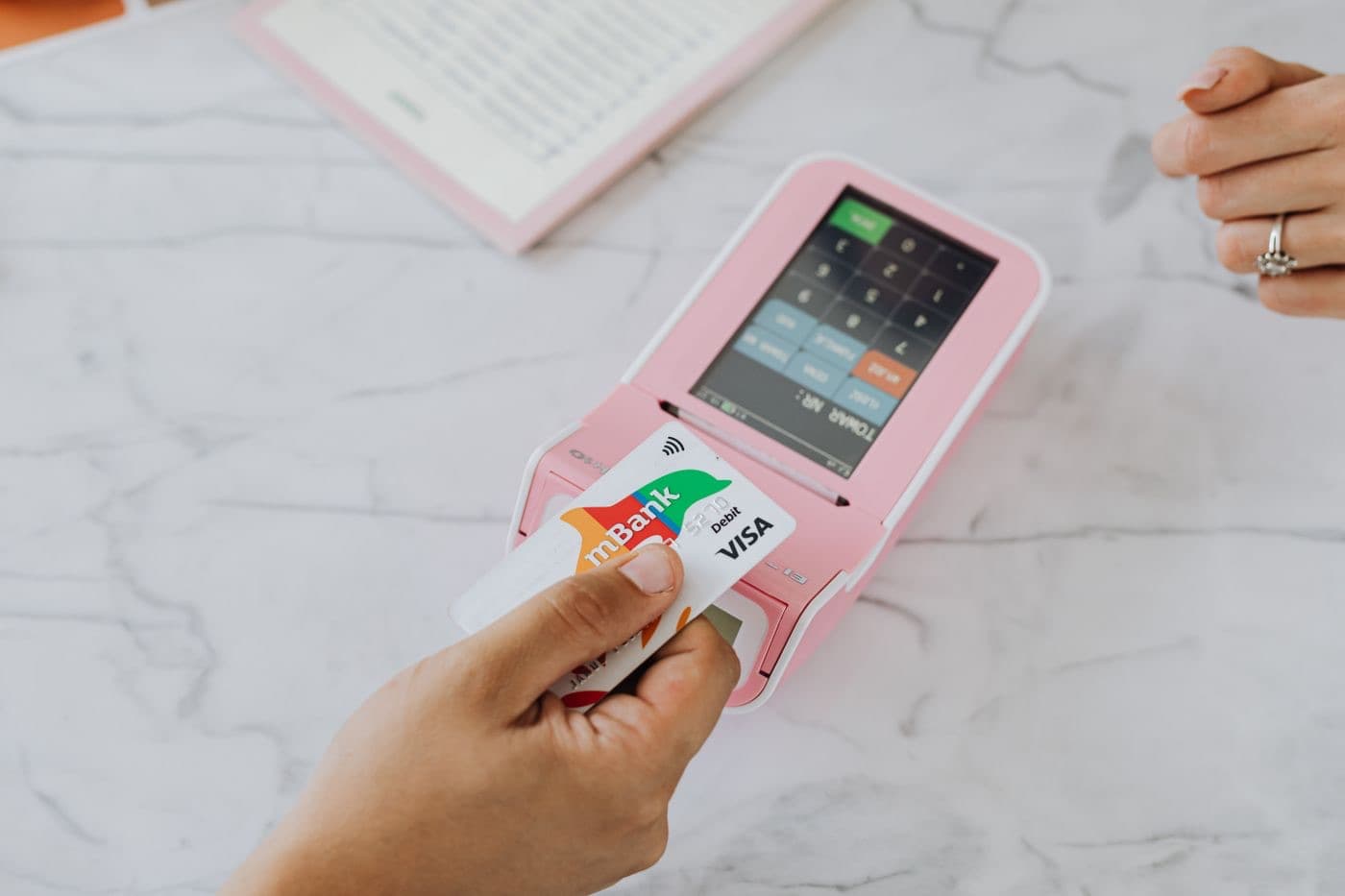
A VCC is meant to make paying a hotel safer and simpler. In practice, it's one of the more common reasons a guest gets turned away at the desk.
A virtual credit card lets a travel agent or OTA pay a hotel on a guest's behalf without exposing anyone's real card details — a single-use number, generated per booking, with instructions on exactly what it's allowed to charge. Good idea, in principle. In practice, VCCs fail in a handful of very specific, very recurring ways.
Where it goes wrong
- Invalid — the card simply isn't recognised by the hotel's system
- Wrong details — a mistyped number, expiry date or CVV
- Expired — the card lapses before the hotel gets around to charging it
- Declined — a limit, a restriction, or a banking issue on the issuing side
- Mismatched — the VCC number doesn't tie back to the right booking
- No instructions — the hotel isn't told when or how much to charge, so it either doesn't, or charges wrong
Any one of these surfaces the same way: a guest standing at the desk, payment unresolved, with no idea a card even changed hands before they arrived.
Re-verifying a booking's payment status before the guest travels catches a VCC problem while there's still time to fix it — a new card issued, a hotel re-briefed — instead of at check-in, which is the worst possible moment to discover it.